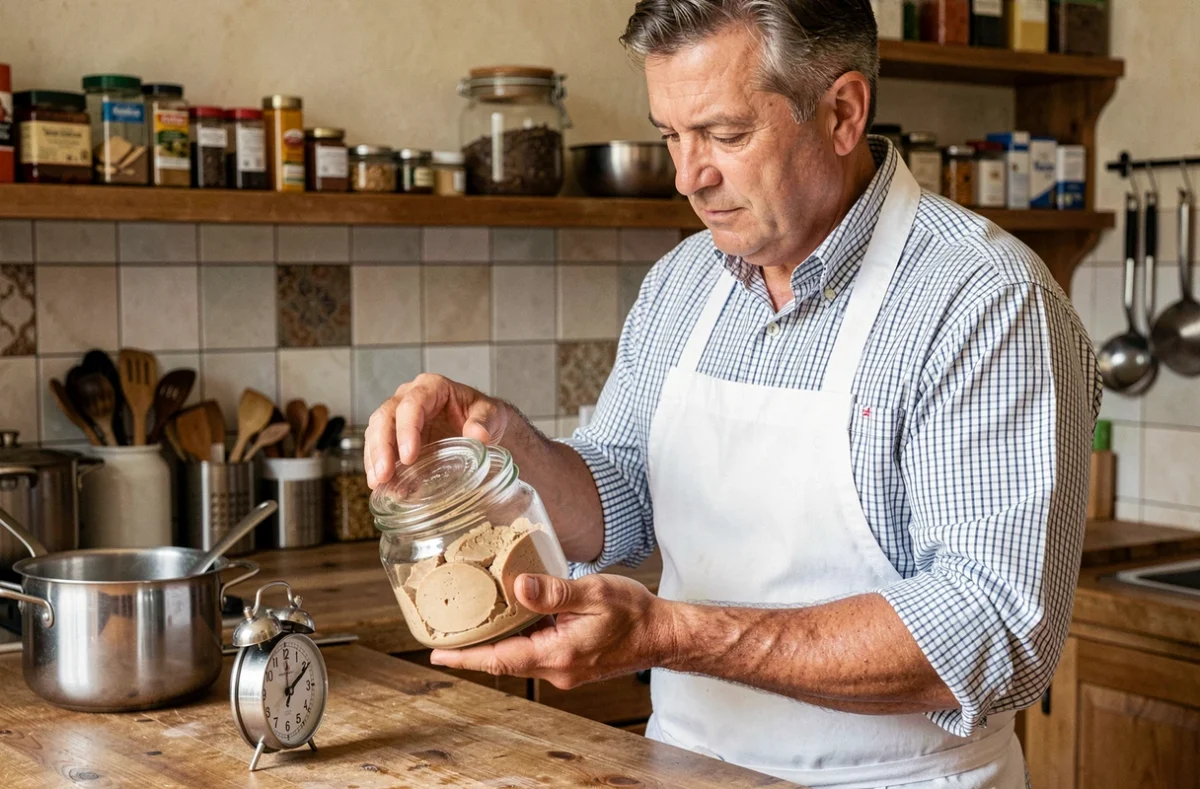
With the arrival of the holiday season, it’s time to learn how to optimize the sterilization time to achieve quality foie gras. Preparing foie gras is a serious matter and the sterilization time for foie gras must be respected to extract all possible flavor benefits. In this article, we will explore how to optimize the sterilization process to achieve a delicious and satisfying final result.
Key Steps in Sterilization
Foie gras is one of the most delicate and flavorful products you can find. Cooking quality foie gras requires a bit of time and attention, making the process complex for some chefs. However, by following a few key steps, it is possible to optimize the time needed for the sterilization of foie gras to achieve superior results.
First, before you start preparing the foie gras, make sure you have all the materials you will need: a baking sheet or another oven-safe container on which it should be placed; fine salt; ready-to-use ice trays; a thermometer specifically designed to monitor the internal temperature of the fish; a stainless steel strainer to filter the juice after cooking; and possibly a spatula if you wish to crumble your own piece of fresh fish. Once all these items are ready, along with a healthy and tested recipe, you can begin your sterilization.
Once these steps are completed, you can move on to the main steps that significantly optimize the time required for processing foie gras. First, carefully choose the ingredients: always opt for fresh products from reliable sources – not frozen – as this allows the natural flavors of the final dish to shine even brighter.
Factors to Consider for Optimal Sterilization
The sterilization of foie gras is an important process to ensure optimal quality. It involves eliminating pathogenic bacteria that can harm the products and lead to production losses or even compromise public health. Practicing good sterilization ensures optimal preservation of foie gras throughout its shelf life, thus providing consumers with a safe, sustainable, and high-quality product.
However, it is important to understand that the time required for sterilization largely depends on the operating conditions used during the process: the temperature, time, and type of chemical agent applied must be chosen carefully to achieve the best results during this critical step. For example, if a temperature or time regime that is too low is applied during the sterilization itself, this will likely result in microbiological defects that will affect the final quality of the foie gras.
The Benefits of Perfect Sterilization
Foie gras is a culinary product known and appreciated worldwide for centuries. Consumers are increasingly seeking superior quality, which means that producers must offer finished products that meet legal standards and are as flavorful as possible. Therefore, it is important that the sterilization process is properly managed to achieve the best possible quality of foie gras.
First, let’s understand what the additional benefits associated with good sterilization for foie gras are: Increased sterilization time allows for optimal hygiene to ensure the freshness and safety of the finished product while meeting international health requirements; Furthermore, a sufficiently long time allows the characteristic taste and aroma of foie gras to develop fully; Additionally, a good duration prevents fats from melting due to excessive heat during the process; And finally, it will result in a final product that has undergone adequate thermal treatment.
To successfully achieve sterilization and enjoy the aforementioned benefits, certain measures must be taken: The first is to always use fresh ingredients directly involved in the making of foie gras.
Tools and Equipment for Optimal Sterilization
Foie gras is a luxury product that requires special attention and care. This means that to obtain a quality final product, it is important to use the right techniques and equipment during the sterilization process. Indeed, the correctly applied thermal treatment time can significantly impact the flavor, texture, and even the food safety of the foie gras. Sterility also ensures that the foie gras will be free from harmful bacteria or other microorganisms that could damage the final product.
When choosing tools and equipment to optimize your sterilization time to achieve highly qualified foie gras, various factors should be considered, such as:
• The total quantity to be processed
• The type of packaging to be used
• Specific types (e.g., salt/pepper) that do not require additional steps
A wide variety of tools are available to facilitate this process and ensure better time management in sterilization. Simple utensils like knives or trays to more complex ones like vibrating cells or automatic packaging machines can be used to assist with different aspects of the process such as opening cans, removing excess pieces, or vacuum sealing.