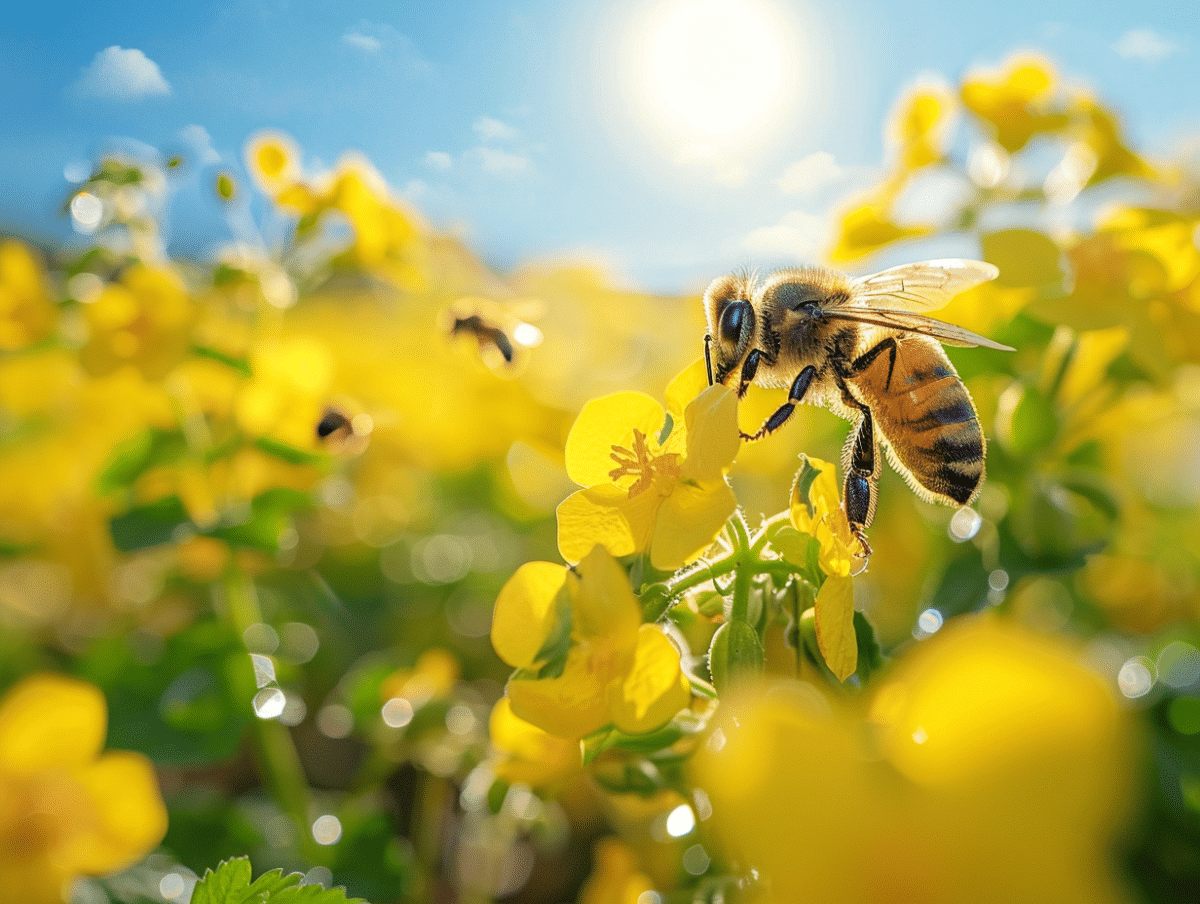
Growing juicy and flavorful melons requires more than just water and sunshine; pollination plays a fundamental role in the fruiting of these cucurbits. Adequate pollination ensures not only a bountiful harvest but also the quality of the fruits. Bees are the quintessential pollinators for melons, but in regions where they are less present, growers sometimes need to intervene. Optimizing pollination can involve various strategies, ranging from increasing pollinator insect populations to manual pollination, each technique aimed at improving the yield and quality of the melons produced.
The keys to effective pollination for thriving melons
The melon, Cucumis melo, stands out for its fragrant flesh and variety of types, from Charentais cantaloupe to Galia. Belonging to the Cucurbitaceae family, this fruit vegetable originating from Asia or tropical Africa requires sexual and cross-pollination to bear fruit. The melon flowers, major elements of this stage, require special attention to ensure optimal growth and quality fruit production.
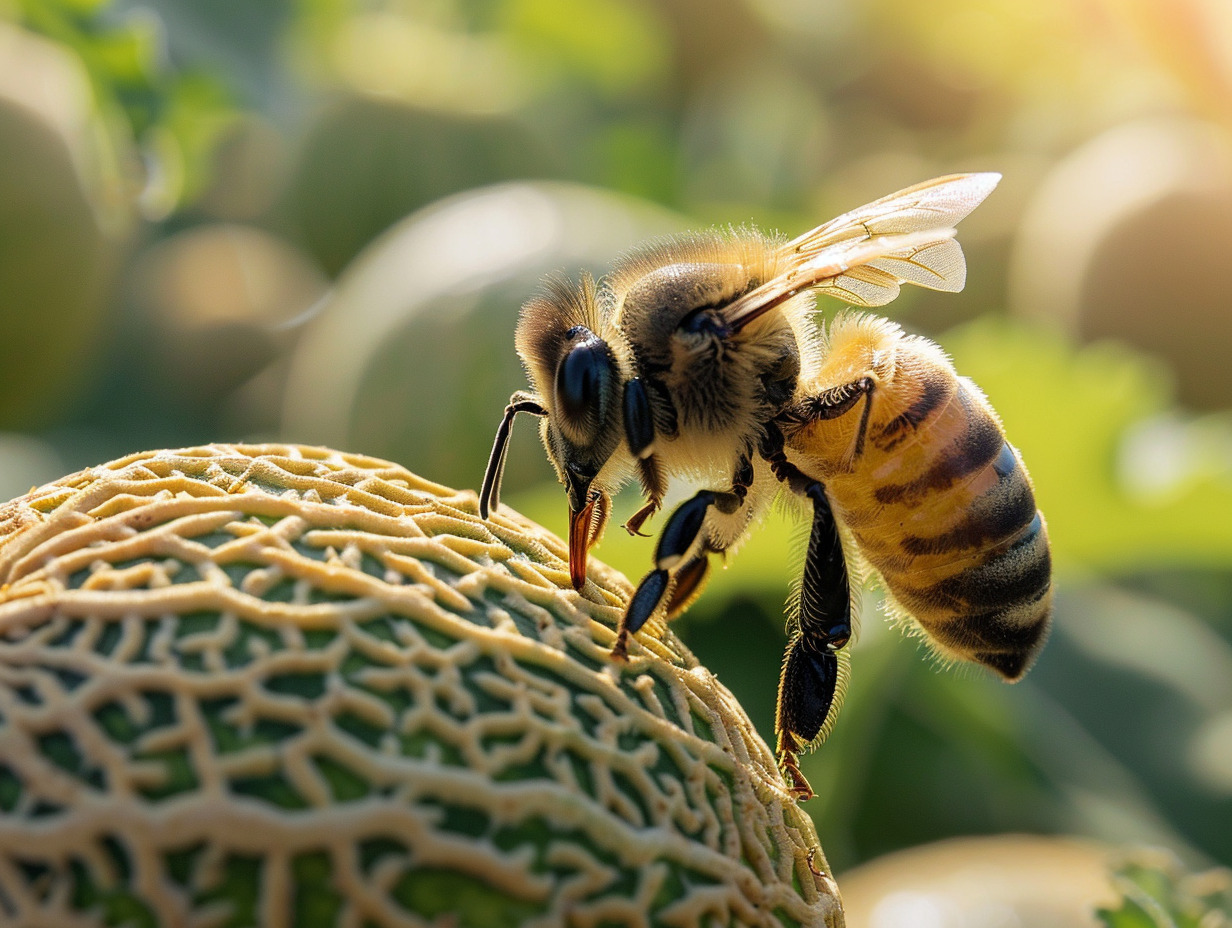
For this, the presence of pollinator insects is crucial. An abundance of bees around melon plants promotes cross-pollination between male and female flowers, thereby increasing the chances of fertilization and, consequently, the quality of the fruits. Growers should pay attention to the biodiversity of their environment and, if necessary, introduce hives near the crops to stimulate the presence of these tireless workers.
Beyond natural pollination, the technique of trellising melon plants also influences the success of this stage. By elevating the plants, air circulation and sun exposure are enhanced, improving the visibility of flowers for pollinators and reducing the risk of diseases. Combine this practice with a drip irrigation system to maintain consistent soil moisture without excess, thus creating ideal conditions for plant health and pollination efficiency.
Strategies and techniques to improve melon pollination
The flowering period of the melon, a crucial stage for optimal growth of the fruits, sees the alternating emergence of male and female flowers. Ensure that this pollination window is maximized by a warm and sunny climate, essential conditions for attracting a myriad of pollinator insects. These insects, drawn to the flowers, ensure the transfer of pollen from the male part to the female. For commercial crops, consider implementing strategies to attract or maintain populations of bees and other pollinators.
The soil, this primary ally, must be well-drained and enriched with organic matter. Fertile and properly structured soil translates into vigorous plants capable of supporting abundant flowering and resisting climatic fluctuations. Additionally, trellising melon plants is an agronomic technique that not only facilitates pollination but also helps prevent certain diseases and promotes uniform fruit ripening.
Irrigation, a cornerstone of melon cultivation, must be meticulously managed. Prefer a drip irrigation system, which maintains adequate moisture at the root level without wetting the leaves and flowers, thus reducing the risk of fungal diseases. This fine agricultural practice also ensures that pollinator insects are not disturbed in their essential tasks.
Be sure to recognize the optimal harvest time, when a strong fragrance emanates from the fruit and the part in contact with the ground turns yellow. Once harvested, melons can be stored for a few days in a cool place, thereby extending the benefits of successful pollination. Through these methods and dedicated attention, melon cultivation reveals its potential, offering fruits whose quality and flavor are directly linked to the effectiveness of pollination.