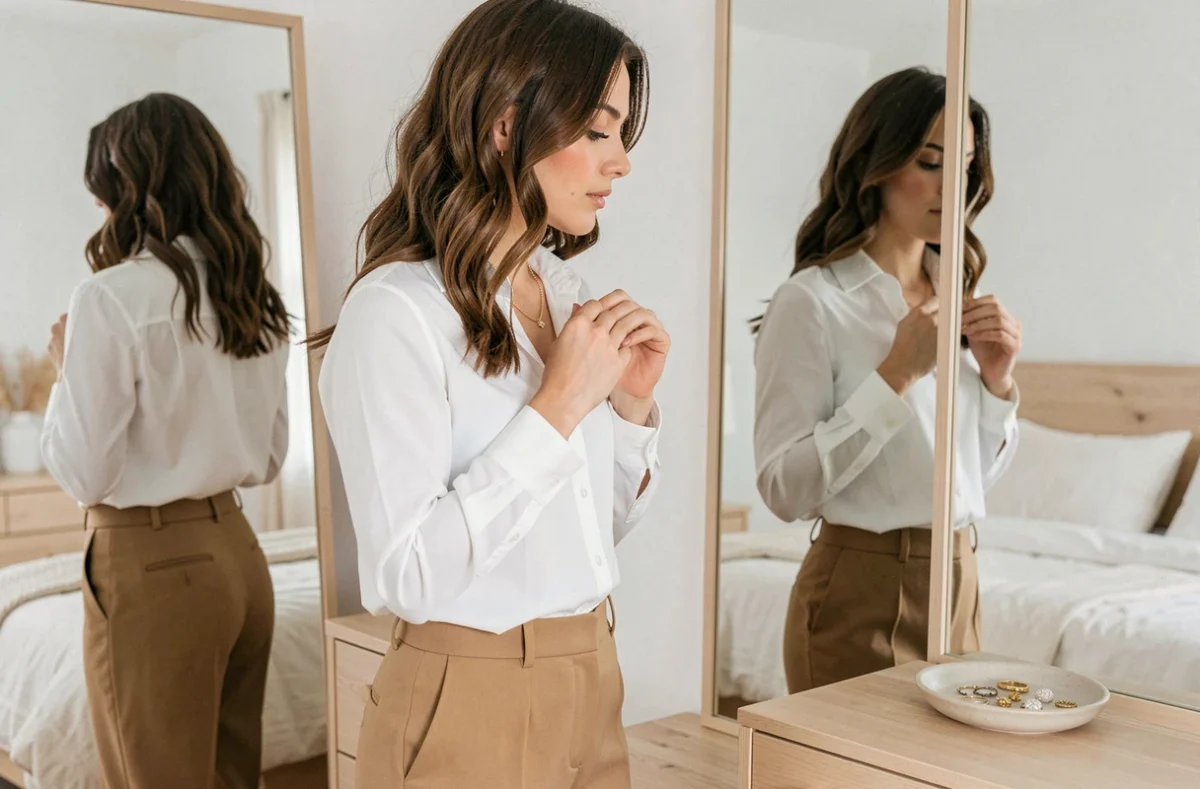
A bracelet worn every day can start irritating your wrist after just a few weeks. Earrings may cause redness after a day at the office. The problem isn’t the design, but the material in contact with your skin.
Choosing elegant everyday jewelry means addressing this comfort issue first, before thinking about aesthetics. It’s worth taking a closer look, because European regulations have changed recently, and not all materials are created equal.
Jewelry and sensitive skin: how the material makes a difference over months of wear
Stainless steel is often said to be suitable for sensitive skin. That’s an oversimplification. Stainless steel does not automatically mean nickel-free: some alloys contain nickel, and the issue is the amount released during prolonged contact with the skin—not the metal’s name on the label.
The European REACH regulation specifically limits nickel release from jewelry worn directly on the skin. This is something you can verify, and you can ask the seller whether the jewelry complies with the standard before buying.
Gold- or silver-plated jewelry presents another potential pitfall. The coating protects your skin from the base metal, but it wears down over time. Worn plating exposes your skin to the underlying metal, which can trigger reactions even if the jewelry felt comfortable during the first few months.
The EU General Product Safety Regulation (EU 2023/988), applicable since December 2024, covers jewelry sold in the EU, including online. You can browse the collections at bijoux-aurea.fr to find pieces designed for regular wear, made with materials suited to reactive skin.
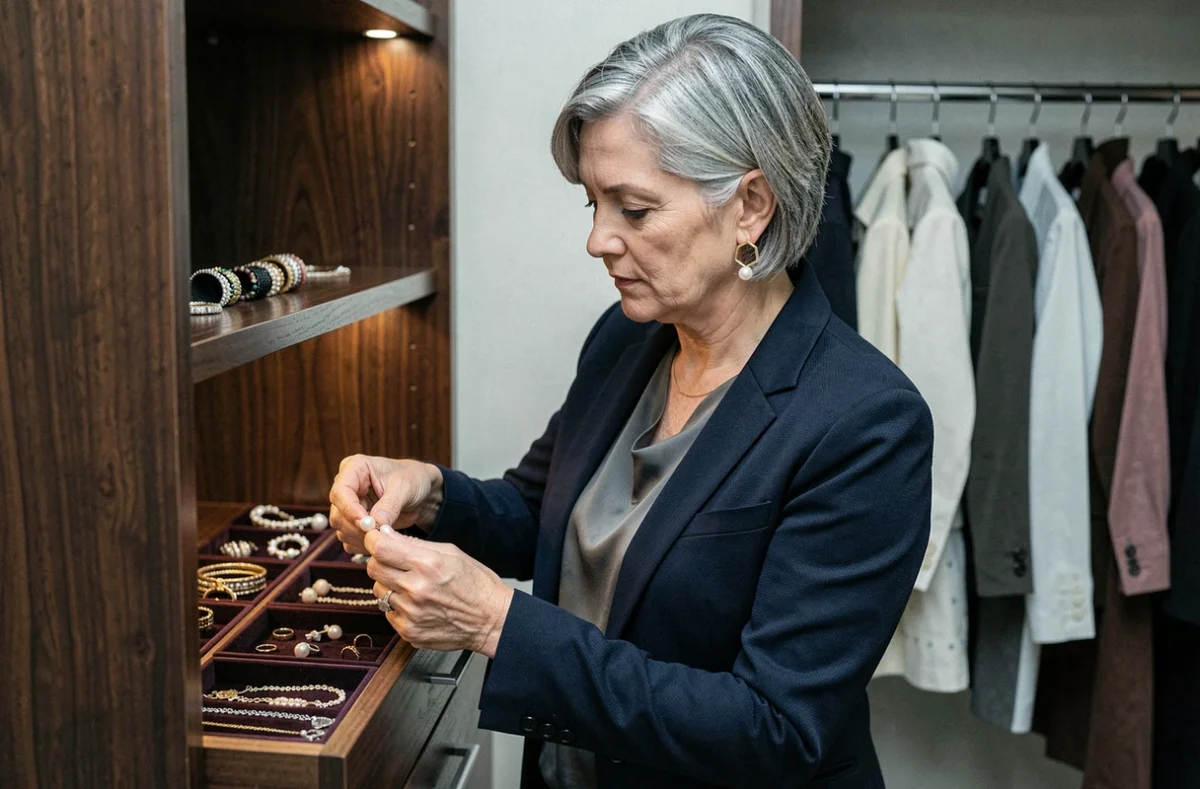
Choosing elegant jewelry to suit your everyday outfits
The usual instinct is to match the color of your jewelry to your clothes. In practice, it’s the size of the jewelry in relation to your outfit that determines whether an accessory elevates your look or overwhelms it.
Simple, solid-color outfits: let your jewelry do the talking
A black turtleneck, a white T-shirt, a plain blouse. These outfits create a neutral backdrop where one standout piece is all you need. A short necklace with a geometric pendant or slightly oversized earrings add dimension without competing with the simplicity of your clothes.
The right piece of jewelry can replace a bulkier accessory, such as a scarf or wrap, when worn with a solid-color outfit. You get a lighter, more comfortable look.
Patterned or textured outfits: keep jewelry understated
A floral dress, a checked shirt, a cable-knit sweater. The outfit already has plenty of visual detail, so opt for fine, understated jewelry: a short chain without a pendant, stud earrings, or a slim bracelet.
The current trend for versatile, convertible jewelry makes it easy to switch things up. Wear a piece on its own with a busy print, then layer it with other pieces when your outfit is more understated.
Everyday jewelry: the durability factors that really matter
Jewelry worn five days a week is exposed to friction, water, sweat, and soap. The criteria for choosing it are different from those for a piece reserved for special occasions.
- The clasp is the first part to wear out. A lobster clasp on a bracelet holds up better than a snap clasp, which can loosen over time. For a necklace, a spring-ring clasp remains the most reliable choice for everyday wear.
- A piece’s weight determines how comfortable it is over time. Earrings that are too heavy can strain your earlobes within a few hours. Try wearing them for a full day before adding them to your everyday rotation.
- Resistance to tarnishing varies by material. Solid gold and titanium hardly tarnish at all. Sterling silver tarnishes but is easy to clean. Low-quality alloys can turn green after just a few weeks of wear, a sign that the coating has worn away.
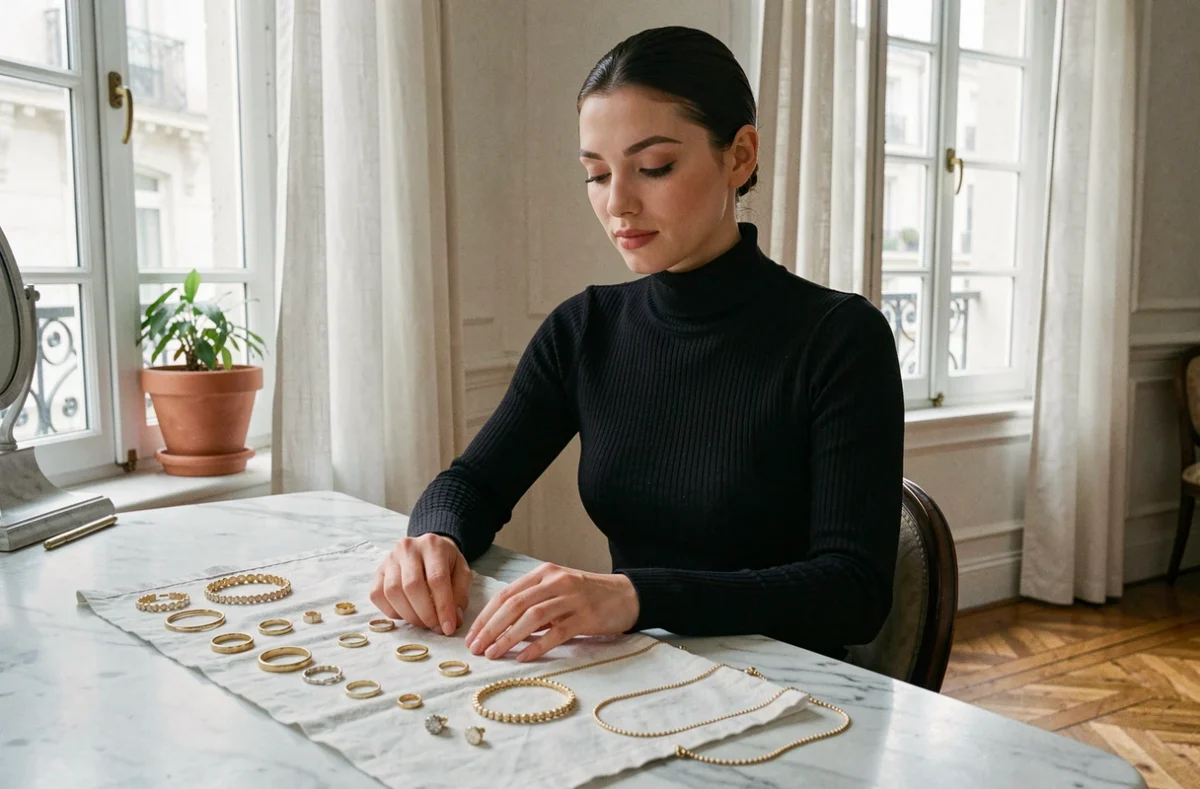
Build a versatile jewelry collection without accumulating too much
You don’t need twenty necklaces to cover every occasion. Three to five carefully chosen pieces are enough if each one serves a distinct purpose.
- A pair of understated earrings (studs or small hoops) that works with any office outfit or casual look.
- A mid-length necklace (between a choker and a long necklace), neutral enough to work with both a V-neck and a crew neck.
- A statement bracelet or ring—the piece that adds style when the rest of your outfit is understated. It’s the one people notice.
- A versatile piece, such as a necklace that can be doubled up as a bracelet, or earrings with removable pendants.
Four well-chosen pieces of jewelry can work with most everyday outfits. Accumulating mediocre pieces costs more over time than making a considered investment in a few durable ones.
Everyday rotation and care
Alternating the jewelry you wear from day to day helps it last longer. Clasps, coatings, and stones are subject to less mechanical stress when you spread out the wear.
A quick clean with lukewarm water and mild soap once a week is enough for most metals. Taking your jewelry off before showering or exercising is the most effective way to keep it in good condition over time.
When choosing elegant everyday jewelry, material, weight, and clasp matter well before style. Comfortable, durable pieces are naturally worn more often, and that consistency is what eventually defines a recognizable personal style.