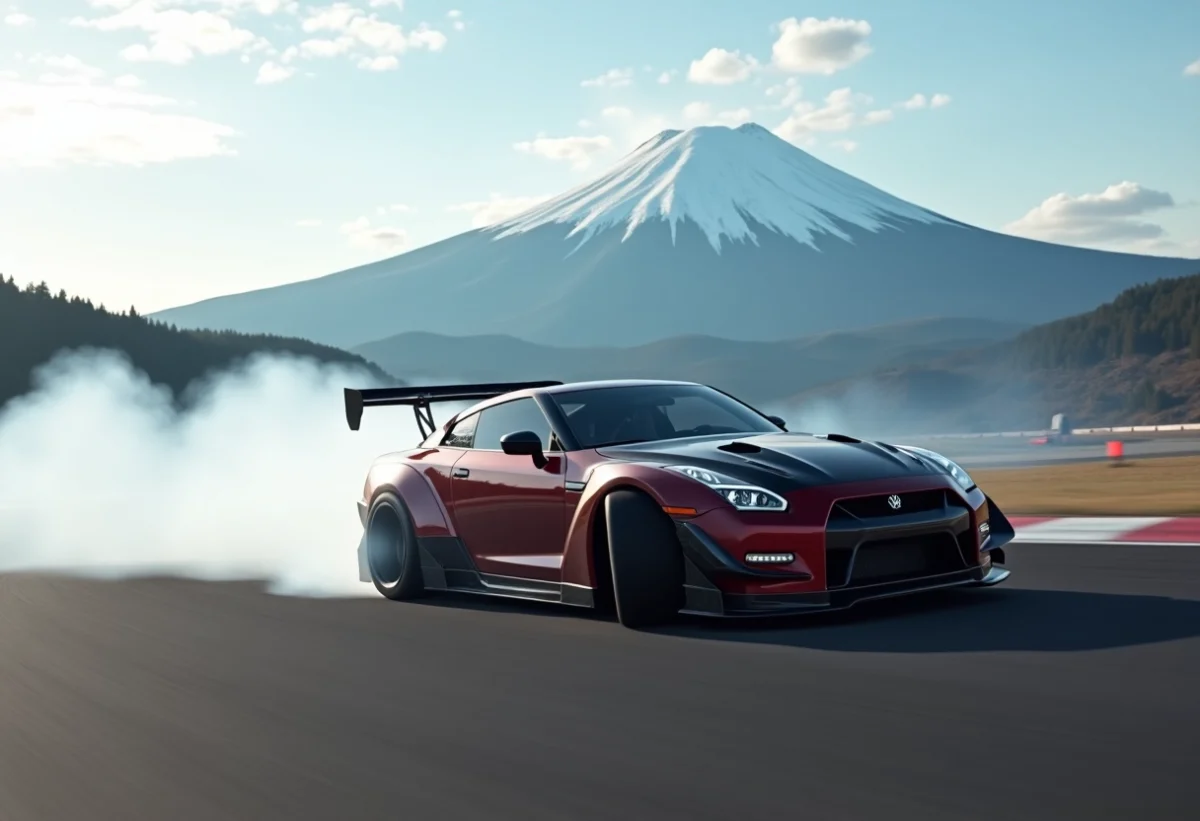
The streets of Tokyo and the winding mountains of Japan have witnessed the birth of an automotive discipline that has quickly captivated speed and precision enthusiasts: drifting. This driving technique, which involves controlling the vehicle while sliding through corners, has become a true global phenomenon. The roots of this practice lie in Japanese culture, where it is both a sport and a form of art.
Drifting has transcended the borders of Japan thanks to films, video games, and international competitions. Events like the D1 Grand Prix have attracted drivers from around the world, transforming this discipline into a true global subculture. Japanese cars, such as the Nissan Silvia and Toyota AE86, have become icons, symbolizing excellence and innovation in the world of drifting.
The Origins and Evolution of Automotive Drifting in Japan
Automotive drifting finds its roots in the Japanese car culture, where it is both a form of tuning and an extreme sport. The Bosozoku, those Japanese street gangs from the 1970s and 1980s, played a key role in this evolution by incorporating elements like the Tsurikawa, those railway straps that became iconic.
The Legendary Vehicles
- Nissan Skyline GT-R: nicknamed ‘Godzilla’, this car is a legend of Japanese drifting. Produced by Nissan, it is famous for its exceptional performance and handling on drifting circuits.
- Toyota AE86: produced by Toyota, this car became an icon thanks to the manga Initial D. Driven by the character Takumi Fujiwara, it embodies the spirit of Japanese drifting.
The Role of Pioneers
Akio Toyoda, at the helm of Toyota, has greatly influenced the evolution of the Toyota AE86. Under his leadership, the brand has continually innovated to meet the expectations of drifting enthusiasts.
Evolution and Cultural Influences
The popularity of drifting has been amplified by media such as films and mangas. Works like Initial D have introduced the general public to the subtleties of this discipline. International competitions and events like the D1 Grand Prix have helped spread the techniques and philosophy of drifting beyond Japanese borders.
The phenomenon has also been reinforced by the rise of video games and films. The Nissan Skyline GT-R and the Kereta Skyline GTR have become symbols of this culture, embodying both power and precision. 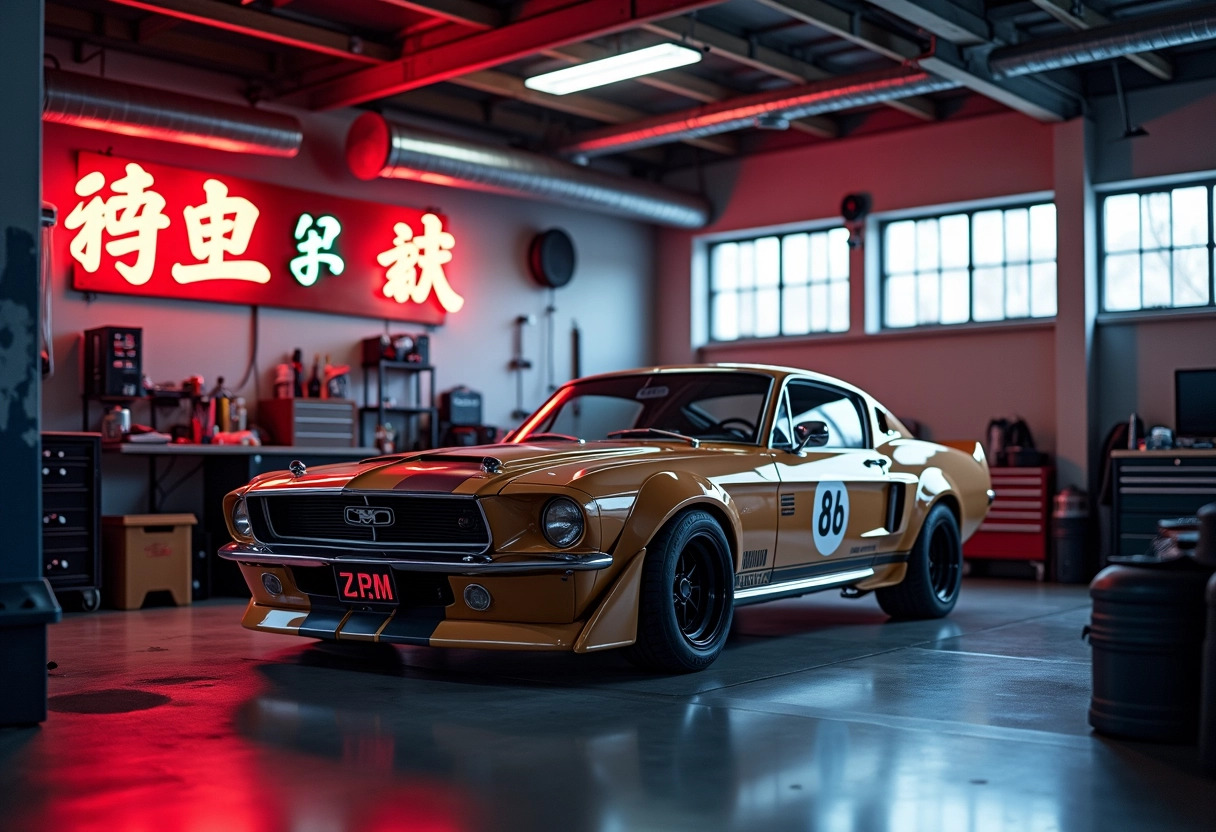
The Global Influence of Japanese Culture on Drifting
The impact of Japanese culture on automotive drifting is not limited to the borders of Japan. Media have played a fundamental role in spreading this discipline. The manga Initial D and the Fast and Furious film saga have allowed drifting to gain worldwide recognition.
Initial D: A Cultural Phenomenon
The manga Initial D, written by Shūichi Shigeno, tells the story of Takumi Fujiwara, a young tofu delivery driver who becomes a drifting legend thanks to his mastery of the Toyota AE86. This work has not only elevated the reputation of the Toyota AE86 but has also introduced many fans to drifting culture.
Fast and Furious: Tokyo Drift
The film Tokyo Drift, the third installment of the Fast and Furious saga, brought drifting culture into the international spotlight. Characters like Han Lue, D. K., and Sean Boswell popularized iconic models such as the Mazda RX-7, the Nissan Fairlady Z, and the Ford Mustang Fastback. The film illustrated the technique and aesthetics of drifting, attracting the attention of car enthusiasts and moviegoers alike.
Video Games and Popularization
Video games have also contributed to the spread of drifting. Titles like Gran Turismo and Need for Speed have incorporated elements of Japanese drifting culture, allowing players worldwide to immerse themselves in this universe. The realistic simulations offered by these games have democratized drifting techniques and helped forge a connection between Japanese automotive culture and a global audience.
These media influences have allowed drifting culture to become firmly embedded in the collective imagination, transforming a local practice into a global phenomenon.